
Metal parts for theater seats are the structural foundation behind durable seating structures in cinemas, auditoriums, and performance venues. From reinforced steel seat frame structures to floor-mounted metal seat bases, every load-bearing component plays a critical role in ensuring stability, safety, and long-term performance. Properly engineered metal systems not only support daily occupancy but also maintain structural integrity under continuous mechanical stress.
The role of metal parts in theater seating structures
In any modern auditorium, cinema, or performing arts venue, the visible comfort of seating often draws the most attention. However, the true foundation of long-term performance lies beneath the surface. Metal parts for theater seats are the primary structural elements that determine whether a seating system can withstand years of continuous public use. These structural metal parts for theater seats are engineered to manage static weight, repetitive motion, and environmental stress without compromising safety or stability.
Load-bearing metal structures distribute occupant weight evenly across the frame and into the floor anchoring system. Without heavy-duty metal seat components, seating rows would gradually loosen, shift, or deform under repeated occupancy cycles. Structural integrity metal supports ensure that each seat remains aligned with adjacent units, maintaining consistent spacing and balance throughout the entire installation. In large-scale venues where hundreds or thousands of seats are installed in fixed rows, this structural precision is essential for both durability and safety.
The strength of theater seating is not determined by a single component, but by the integrated performance of frames, bases, mechanisms, and protective finishes working together as a cohesive system.
Core structural components ensuring durability
Seat frame systems
The seat frame is the primary structural core of any theater chair. Metal seat frames are designed to carry vertical loads while resisting lateral movement caused by shifting body weight. A steel seat frame structure provides superior tensile strength and dimensional stability, making it ideal for high-capacity public venues.
Reinforced steel seat frames are commonly used in demanding environments because they minimize flexing under continuous use. Over time, even slight structural deflection can weaken joints or misalign mechanical components. By incorporating additional reinforcement at stress concentration points, manufacturers significantly improve long-term structural performance.
A welded metal seat frame further enhances durability by creating rigid joints that eliminate mechanical looseness. Unlike bolted-only connections, welded intersections reduce micro-movement that could otherwise lead to fatigue cracks. This rigid framework acts as the structural backbone of the chair, supporting cushions, backrests, and movement systems without compromising load-bearing performance.
Base and floor support
While the frame handles upper-body loads, durability ultimately depends on how force transfers to the ground. A floor-mounted metal seat base ensures that weight is securely anchored to the venue’s flooring structure. This is particularly important in tiered auditoriums, where uneven force distribution can create instability if not properly managed.
Anchor plates for theater seats expand the load transfer area, preventing stress concentration on a single point of contact. Combined with heavy-duty steel leg support systems, these anchoring solutions stabilize each seat against forward, backward, and lateral movement. Anchor bolts for auditorium seats lock the entire seating assembly into the concrete or subfloor, preventing gradual loosening over time.
When properly engineered, the base and anchoring system convert individual chairs into a unified structural row. This interconnected stability significantly improves the durability of the overall seating structure.
Support mechanisms
The durability of theater seating is also influenced by moving components that experience repeated motion cycles. Backrest support brackets must resist torsional forces generated when occupants lean backward. If these brackets are not properly reinforced, long-term stress can compromise alignment and structural stability.
A gravity tilt hinge allows the seat pan to return smoothly to its upright position after use. Because this mechanism operates hundreds or thousands of times per month, it must be engineered with precise tolerances to avoid excessive friction or metal fatigue. Similarly, a spring-loaded seat hinge must balance controlled motion with mechanical longevity, ensuring that repetitive cycles do not degrade structural performance.
In premium seating systems, a reclining seat metal mechanism introduces additional complexity. Pivot joints, linkages, and load-bearing pivots must be constructed from high-strength materials to prevent premature wear. Durable support mechanisms ensure that dynamic motion does not weaken the foundational structure of the seat.
Materials and protective finishing for long-term use
Material selection is fundamental to building durable seating structures. High durability steel parts are widely chosen for their ability to withstand high stress without permanent deformation. Steel provides excellent load capacity, impact resistance, and structural reliability, especially in venues with continuous occupancy.
In environments exposed to humidity or temperature variation, galvanized steel components add corrosion resistance by protecting the base metal from oxidation. Surface degradation not only affects aesthetics but can also weaken structural integrity over time. By preventing corrosion at the molecular level, galvanization extends service life significantly.
Powder coating for metal seats adds an additional protective layer that resists scratches, chips, and chemical exposure. An anti-corrosion coating further reinforces this protection, particularly in coastal regions or high-moisture environments. Rust-resistant metal hardware ensures that bolts, hinges, and fasteners maintain their strength without seizing or weakening.
These protective finishing processes do more than preserve appearance; they directly contribute to maintaining structural strength across years of use. Durable seating structures depend not only on strong materials, but also on protective treatments that defend against environmental stress.
Engineering standards for safe public seating
Durability in public seating cannot rely solely on design assumptions. It must be validated through recognized engineering standards. Safety compliant seating hardware ensures that each metal component performs under specified load conditions without failure. These standards evaluate weight capacity, structural endurance, and repeated-use resistance.
BIFMA compliant metal parts demonstrate that seating systems have undergone rigorous performance testing for structural strength and fatigue resistance. Compliance confirms that frames, brackets, and mechanisms can endure thousands of simulated use cycles without deformation or failure.
Similarly, ISO certified metal parts indicate controlled manufacturing processes, consistent material quality, and traceable production standards. Quality control during fabrication directly affects long-term durability. In public venues, fire-resistant seat components also play a critical role in meeting safety regulations while maintaining structural integrity under elevated temperatures.
By adhering to these engineering standards, manufacturers ensure that metal parts for theater seats provide predictable, reliable performance in real-world conditions.
Integrated structural performance in large venues
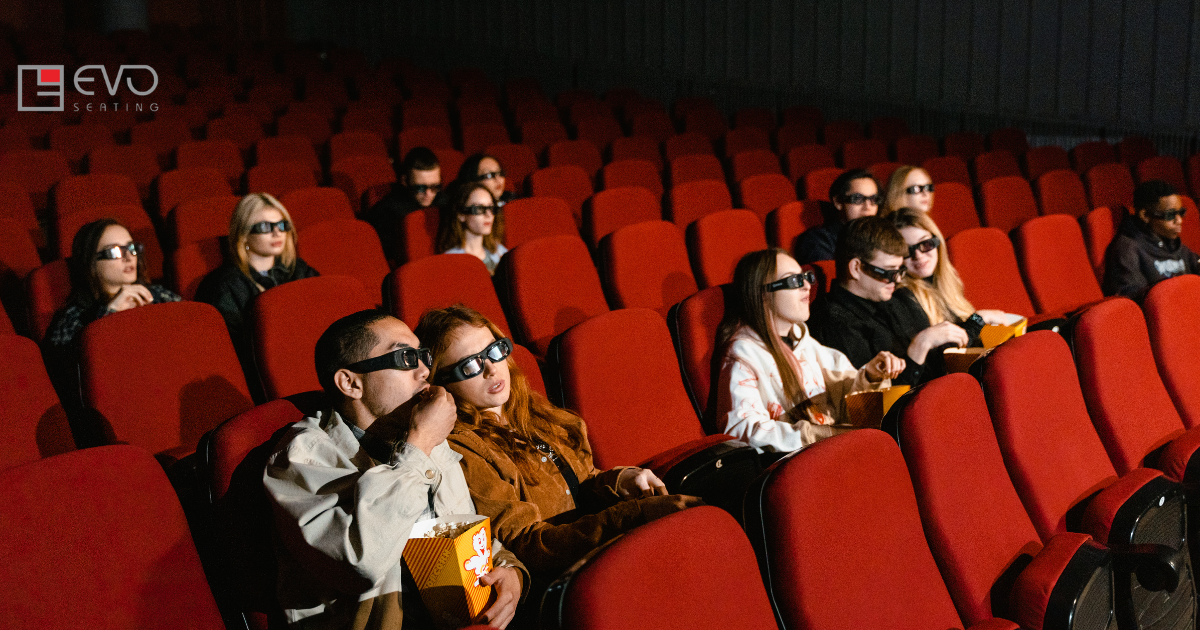
In large auditoriums and cinemas, seating systems function as interconnected structural networks rather than isolated chairs. When hundreds of seats are installed in fixed rows, load distribution becomes cumulative. Structural misalignment in one unit can transfer stress to adjacent seats, accelerating wear across the row.
Industrial grade steel seating systems are engineered with this collective performance in mind. Load-bearing metal structures are designed to distribute force evenly across frames and bases, minimizing stress concentration. Long-lasting auditorium hardware maintains alignment and stability across entire seating sections, even under high occupancy rates.
The integration of reinforced frames, secure anchoring systems, durable mechanisms, and corrosion-resistant finishes creates a unified structural solution. Each metal component contributes to overall seating resilience, ensuring that durability is achieved at both the individual and system-wide level.
Conclusion – Building durable theater seating structures
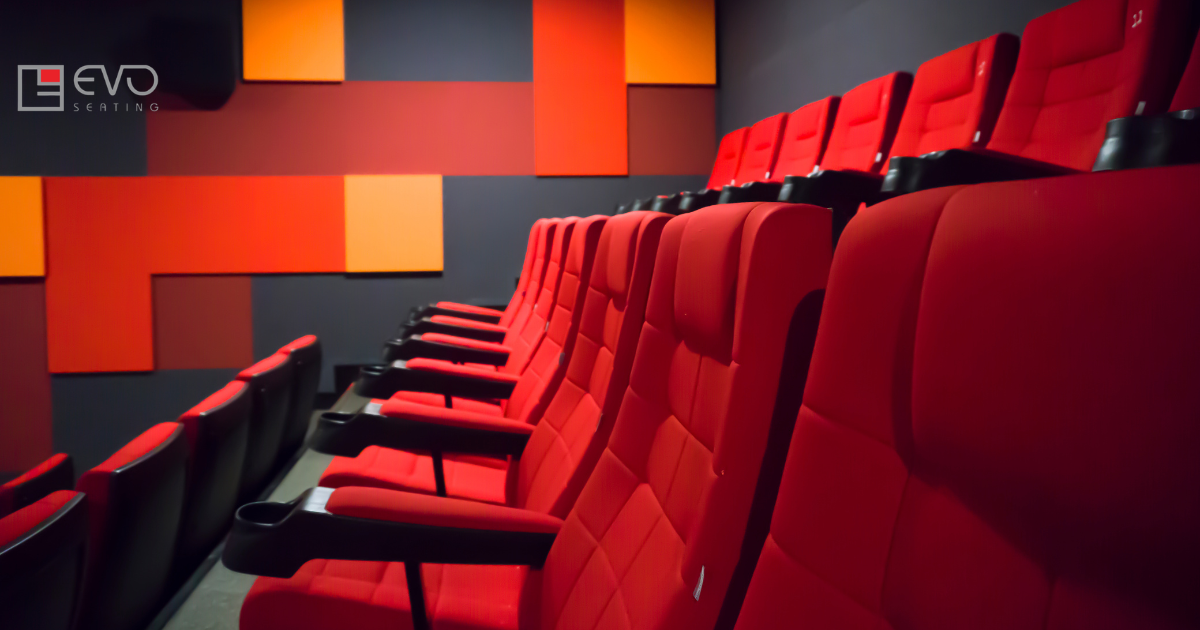
The durability of theater seating structures depends fundamentally on the engineering and quality of their metal framework. From reinforced steel seat frame structures to floor-mounted metal seat bases and precision support mechanisms, every structural component plays a role in maintaining stability under continuous use.
High durability steel parts combined with galvanized steel components and protective surface treatments create a foundation capable of resisting mechanical stress and environmental exposure. When supported by safety compliant seating hardware and certified manufacturing standards, metal parts for theater seats provide the structural integrity necessary for safe, reliable, and long-lasting public seating installations.
Ultimately, durable seating structures are not defined by upholstery or aesthetics, but by the strength, precision, and resilience of the metal components beneath them.
Contact us
Looking for reliable metal parts for theater seats to support your next seating project? Contact us today for technical consultation, customized structural solutions, and durable components designed for long-lasting auditorium installations.
- Website: evoseating.vn
- Facebook: facebook.com/evofurniture.official
- Alibaba: evoseating.trustpass.alibaba.com
- Hotline: (+84)47 1091 555 | (+84)287 1091 555
- Email: evoseating@gmail.com
