
Auditorium chair replacement parts endure heavy use daily, leading to worn cushions, broken hinges, and cracked panels. Learn how to identify the most common issues and discover the replacement parts you need to keep your seating safe, comfortable, and fully functional.
Introduction: Understanding the importance of auditorium chair replacement parts
Auditorium chairs are an essential component of any theater, lecture hall, cinema, or performance venue. They endure constant use, often hundreds of times a day, and over time, this leads to wear and tear. When chairs start showing signs of damage, it is critical to address the issues promptly with the right auditorium chair replacement parts.
Common problems include worn seat cushions, broken seat mechanisms, damaged armrests, and cracked back covers or seat panels. Each issue affects the comfort, safety, and overall user experience. Using the correct replacement parts, such as seat cushions, seat hinges, armrest replacements, and molded plastic panels, ensures that your auditorium seating remains functional, safe, and visually appealing.
Replacing individual components instead of entire chairs is also more cost-effective and extends the lifespan of your seating system. This article focuses on identifying the most common auditorium chair issues and detailing the replacement parts you need for each problem.
=>See more: An Auditorium Chair Parts Factory Ensures Comfort and Longevity
Common auditorium chair issues
Auditorium chairs experience several recurring problems due to heavy daily use, environmental factors, or accidental damage. The most common issues are outlined below.
1. Worn or flattened seat cushions
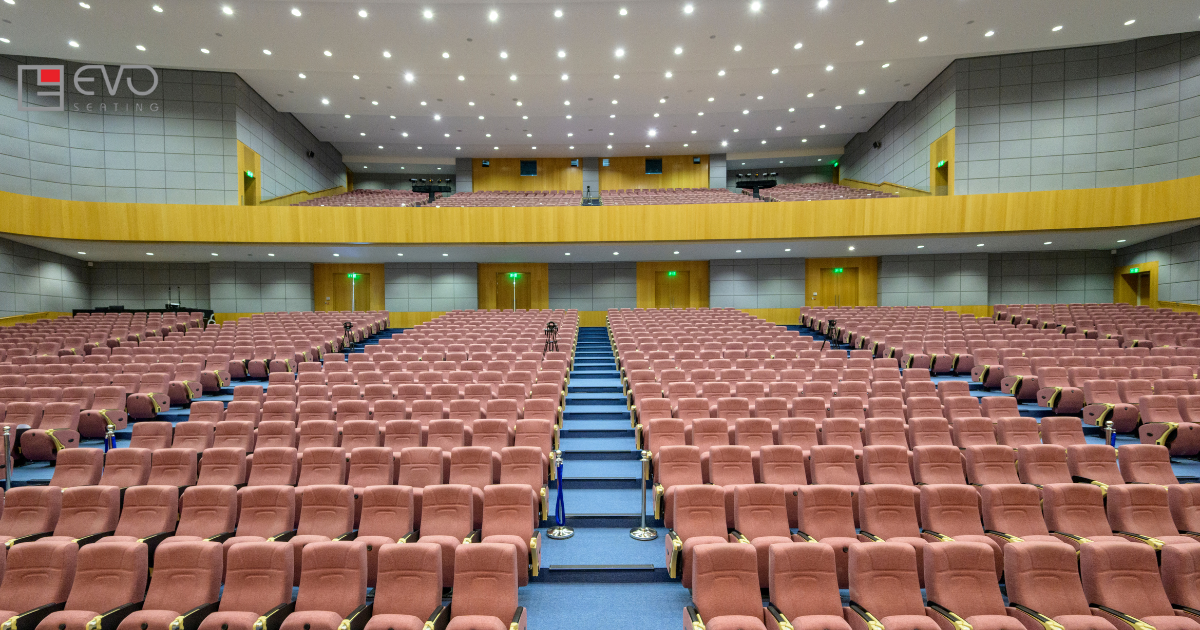
One of the most frequent problems in auditorium seating is worn or flattened seat cushions. Over time, the foam in auditorium seat cushions compresses due to repeated use, causing seats to lose their comfort and support. Flattened cushions make long periods of sitting uncomfortable, especially during lectures, performances, or events.
Additionally, the upholstery may wear out, tear, or become frayed, reducing both comfort and aesthetic appeal. Damaged cushions may also expose internal foam, leading to quicker degradation. Signs that cushions need replacement include noticeable flattening, visible wear on the fabric, or loss of support.
This issue affects all types of venues, from school auditoriums to cinemas and theaters, and requires timely action to maintain seating quality.
2. Broken seat mechanisms or hinges
Another major problem is broken seat mechanisms or hinges. Many auditorium chairs feature fold-up seats that rely on seat hinges, pivot hinges, or return mechanisms to operate smoothly. Frequent use over time can lead to worn or broken components, causing seats to stick, fail to return to an upright position, or produce squeaking or creaking noises.
A faulty mechanism not only makes seats difficult to use but also poses potential safety risks, such as pinched fingers or unstable seating. These problems often affect multiple seats in a row, particularly in high-traffic areas such as cinemas and large lecture halls. Recognizing early signs of wear—like unusual noise, uneven folding, or stiffness—can prevent further damage and ensure that your auditorium remains safe and functional.
3. Damaged armrests
Armrests are subjected to frequent pressure from audience members. Over time, damaged armrests can crack, break, or loosen. Common causes include heavy use, accidental impacts, or gradual material fatigue.
Damaged armrests reduce comfort and may cause safety hazards, such as sharp edges or wobbling parts. They can also negatively impact the visual appeal of the seating. Typical replacement options include auditorium armrest replacements, plastic armrests, wooden armrests, and arm pads. Ensuring that armrests are properly maintained or replaced helps preserve comfort, safety, and aesthetics in any auditorium setting.

4. Cracked back covers or seat panels
The back covers and seat panels of auditorium chairs, often made from durable plastics such as ABS or polypropylene, can crack or break over time. Exposure to heavy use, impacts, or environmental factors can compromise these components, leading to visible damage and potential safety hazards.
Cracked plastic back covers or molded seat panels not only reduce the visual appeal of the auditorium but may expose internal metal frames, creating a risk of injury. Detecting early signs of cracking, warping, or structural weakness is essential for maintaining a safe and professional seating environment.
The replacement parts you need for each issue
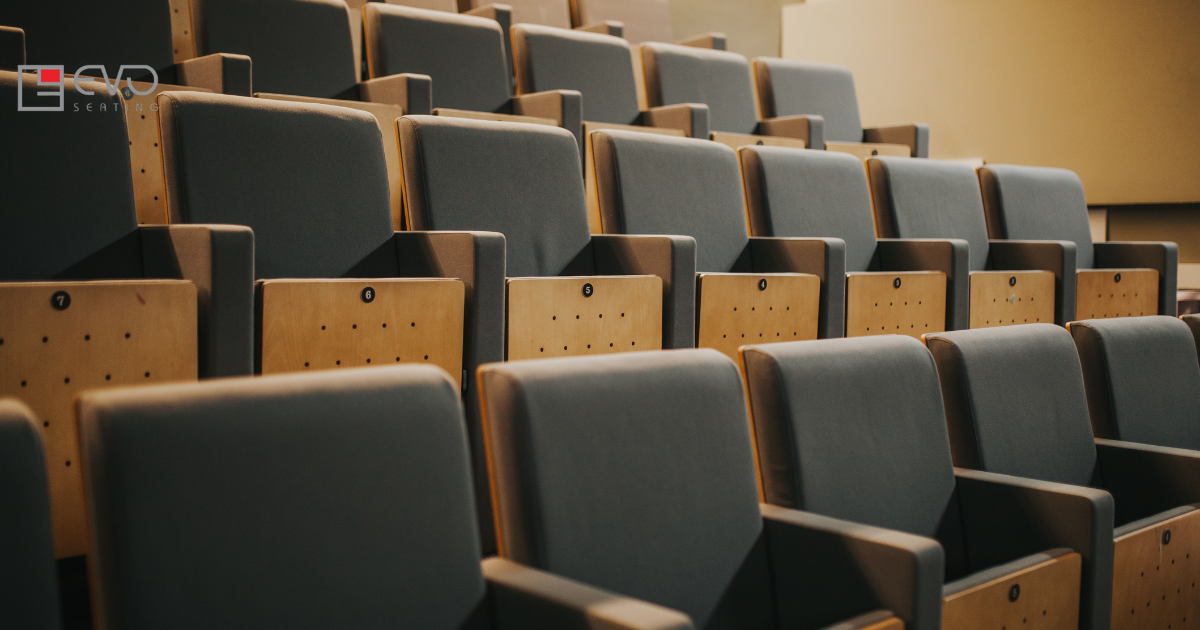
1. Replacement parts for worn seat cushions
- Seat cushions – provide original comfort and restore support
- Seat foam pads – reinforce cushioning and durability
- Upholstery replacement – refresh the look and protect the seat
2. Replacement parts for broken seat mechanisms or hinges
- Seat hinges – allow smooth folding and support
- Return mechanisms – ensure seats automatically return upright
- Fold-up seat components – repair or replace worn mechanical parts
3. Replacement parts for damaged armrests
- Arm pads – improve comfort for the user
- Plastic armrests – durable and resistant to cracking
- Wooden armrests – restore a traditional or premium appearance
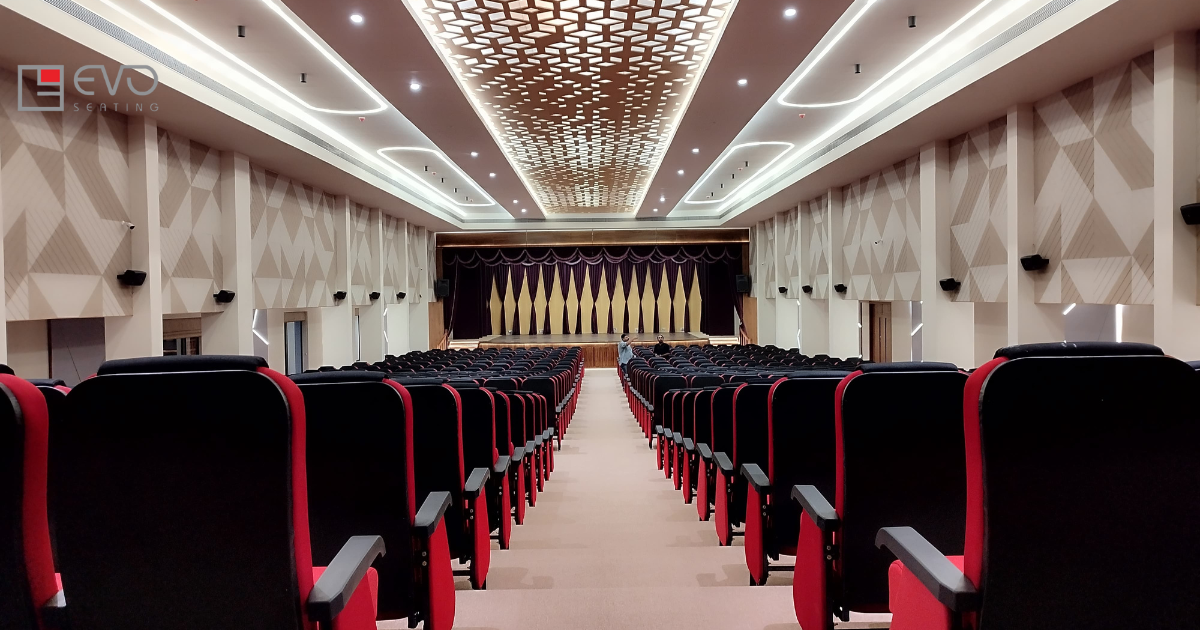
4. Replacement parts for cracked back covers or seat panels
- Plastic back covers – protect internal structures and maintain uniform appearance
- Molded seat panels – restore stability and visual appeal
Conclusion
Auditorium chairs often experience common issues, including worn seat cushions, broken seat mechanisms, damaged armrests, and cracked back covers or seat panels. Addressing these problems promptly with the correct auditorium chair replacement parts—including seat cushions, foam pads, hinges, arm pads, and molded panels—ensures safety, comfort, and durability.
Using the right replacement parts not only extends the lifespan of your seating but also improves the overall experience for audience members in theaters, lecture halls, cinemas, and other venues. By carefully selecting and installing the correct parts, you maintain a professional, functional, and visually appealing auditorium environment.
Contact us
Contact us today to obtain high-quality auditorium chair replacement parts and efficiently restore your seating system.
- Website: evoseating.vn
- Facebook: facebook.com/evofurniture.official
- Alibaba: evoseating.trustpass.alibaba.com
- Hotline: (+84)47 1091 555 | (+84)287 1091 555
- Email: evoseating@gmail.com
